When energy prices rise and oil markets become more volatile, pressure quickly reaches the day-to-day operations of companies running fleets. The impact is felt in fuel, cost predictability, route planning, maintenance and even the ability to respond without compromising service. In this type of environment, spending less is not only about cutting costs. It is about identifying waste, correcting habits, anticipating problems and making decisions based on real data. This is where fleet management with telematics becomes practically valuable.
In May 2026, the ECB warned that the war in the Middle East had intensified volatility in energy markets, increased the risk of disruptions to global supply and left the euro area exposed to shocks in oil and refined product prices. At the same time, Reuters reported fresh increases in crude prices linked to escalating tensions between the United States and Iran, in a market especially sensitive to the Strait of Hormuz. For fleet managers, this means one simple reality: when the external environment tightens, every unnecessary kilometre, every period of idling and every maintenance delay becomes more expensive.
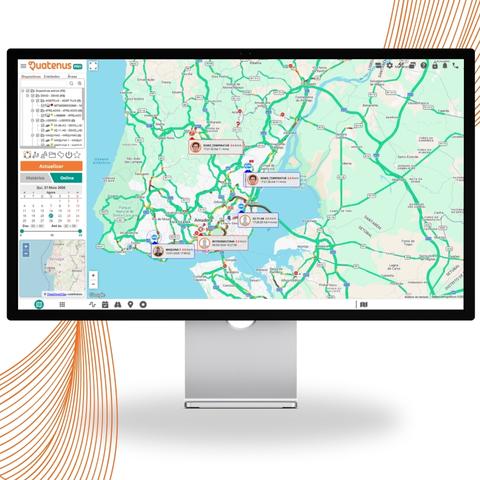
At Quatenus, we help companies respond to this pressure through smarter operational management. Telematics makes it possible to monitor fuel consumption, vehicle usage, driving behaviour, routes and operational alerts in real time. This continuous visibility helps identify waste earlier, understand where efficiency is being lost and act with greater judgement. When a company gains this visibility, it stops making decisions based on assumptions and starts acting on what is actually happening.
Cost reduction takes shape across several areas of the operation. One of the most immediate is fuel, through the identification of prolonged idling, speeding, harsh braking or less efficient routes. Another is preventive maintenance, which helps avoid more expensive breakdowns and unexpected interruptions. Route management and improved driving habits also contribute to a more efficient operation. When these areas are monitored consistently, a company can reduce waste without losing operational capacity.
In times of crisis, efficiency also means protecting the operation
In a more demanding context, efficiency is not measured only by consumption. It is also measured by the ability to keep operations stable, protect assets and avoid failures that create additional costs. At Quatenus, we integrate features that help companies strengthen this response, such as real-time monitoring, GeoAreas, alerts, driver identification, SOS button and remote immobilisation. For companies with electric or mixed fleets, visibility into mileage, battery level and operational alerts adds greater rigour to daily management and vehicle availability.
When fleet management gains clearer visibility, the benefits are not limited to immediate cost reduction. The company starts operating with greater predictability, improves operational organisation and reduces the pressure created by deviations that were previously noticed too late. This allows for faster responses, protects service levels and supports decisions with a stronger factual basis. In a period of energy crisis, this capability makes a difference not only to costs, but also to operational resilience.
The transition to electric fleets does not remove the need for rigorous management. It simply changes which indicators become more important in day-to-day monitoring. Mileage, battery level, operational alerts and vehicle availability become essential elements in ensuring efficient and more predictable usage. That is why visibility remains a central factor in this type of operation as well.
In a context of energy crisis, managing without visibility can become costly.
At Quatenus, we help companies reduce waste, improve efficiency and strengthen day-to-day fleet management with useful information for better decisions.
Ask for DemoFAQ
Because it increases pressure on operational costs and makes every inefficiency more relevant to the final result.
By making it possible to monitor fuel consumption, vehicle usage, driving, routes and operational alerts more consistently, helping identify waste and act earlier.
No. It also involves preventive maintenance, more efficient vehicle usage, improved driving habits and stronger operational protection.
Yes. Protecting assets and avoiding operational failures helps reduce losses, interruptions and additional pressure on the company.
Yes. In electric fleets, tracking indicators such as mileage, battery and operational alerts helps strengthen efficiency and vehicle availability.
Related