Anyone managing a fleet knows that unexpected situations do not give notice. A minor claim, an unexpected breakdown or a delay caused by traffic can compromise the entire operation if it is not recorded at the right moment.
The real issue is not the incident itself, but the lack of control over it. When these situations are handled only through messages, calls or informal reports, the company loses traceability, clarity and decision power. Sooner or later, this turns into conflict, financial loss or operational failure.
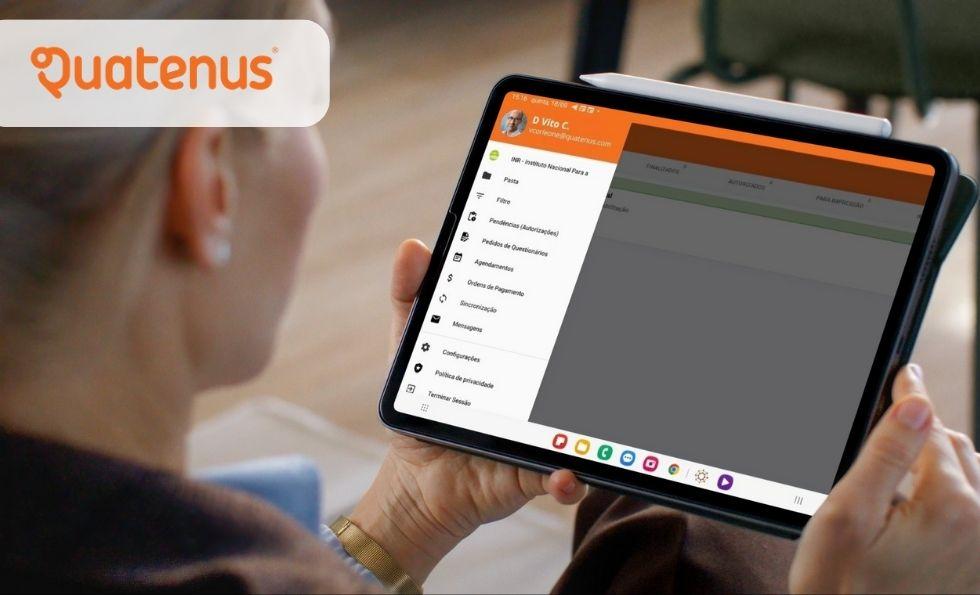
Quatenus MyFleet now includes a dedicated feature for incident and claim records, designed to turn everyday events into structured, usable information.
Instead of scattered explanations, each event is linked to the vehicle, the time and the operational context. Claims, breakdowns or traffic constraints stop being verbal justifications and become concrete data within the system.
This centralised record gives management a clear view of what happens in the field, without relying on assumptions or delayed recollections.
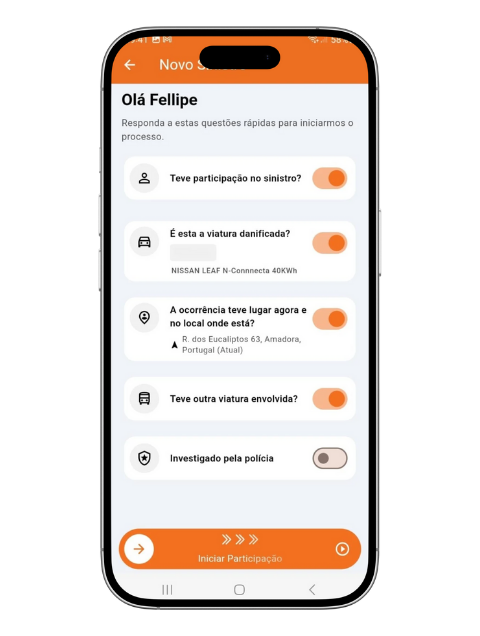
When an incident is recorded properly and on time, the company gains room to act. Whether to justify delays, analyse breakdown patterns, respond to clients or support administrative decisions.
For fleet managers, this means less time spent validating situations and more confidence in decision making. For the company, it means lower exposure to risk and greater operational control.
In an environment where fleet management is increasingly audited and data driven, not having this level of control stops being a technical gap and becomes a business risk.
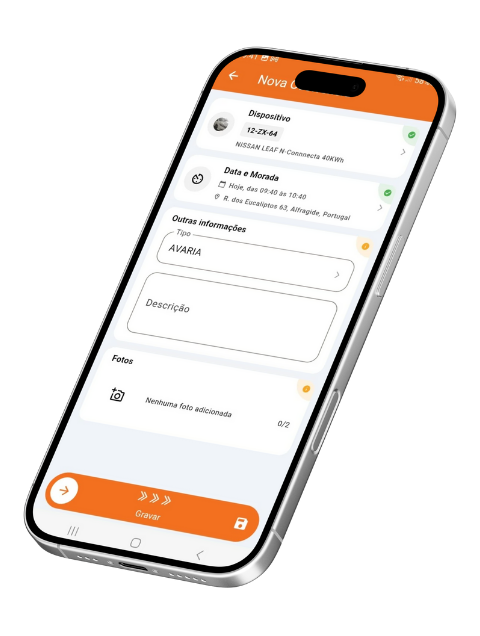
Every fleet faces different challenges. That is why incident records in Quatenus MyFleet can be adapted to the specific needs of each operation.
This flexibility ensures the system reflects real operational scenarios instead of forcing generic models that do not match daily field reality.
As operations expand, managing exceptions informally stops working. The volume of vehicles, drivers and trips demands clear processes, recorded data and accessible history.
This is often the moment when companies realise they need to evolve. Not to complicate, but to gain control. Not to monitor people, but to protect operations.
Quatenus solutions are built exactly for this stage of maturity, when managing well is no longer a competitive advantage but a necessity.
Incidents will continue to happen. The difference lies in how companies deal with them. Having a system that turns problems into information is what separates reactive management from prepared management.
If your fleet still depends on informal explanations to justify delays, claims or breakdowns, the risk is not the incident itself. The risk is being unable to prove it later.
Contact us and see if this solution fits your fleet.
If you manage vehicles daily and need more control over what happens in the field, it may be time to understand how Quatenus MyFleet can structure your operation and reduce risks before they turn into problems.
Contact usFrequently Asked Questions (FAQ)
Incidents are unexpected events that affect operations, such as breakdowns, traffic delays or vehicle claims, and must be recorded for control and analysis.
Because structured records help justify situations, analyse impact, protect the company during audits and support decisions based on real data.
Yes. By identifying recurring breakdowns, delays or operational failures, companies can act earlier and avoid accumulated costs.
No. Even small fleets benefit from having history, traceability and control over daily operations.
Yes. The platform centralises operational information, reduces dependence on manual records and improves data reliability.
Related