There are situations in which supporting wellbeing is not simply a matter of being nearby. When teams work in the field, when service users need ongoing attention or when day to day operations limit direct observation, small changes can go unnoticed. This is where remote monitoring becomes relevant. Not as a replacement for human presence or clinical care, but as a way to give clearer context to those who need to follow, prevent and respond.
In organisations with dispersed teams or in institutions supporting service users throughout the day, relying only on direct observation is not always enough. Signs of strain, changes in rhythm, lower activity, stress or requests for help can arise outside the sight of those responsible. When that insight comes late, the response also tends to come late. Remote monitoring exists to reduce this gap and to maintain continuity of follow up in situations where constant in person presence is not always possible.
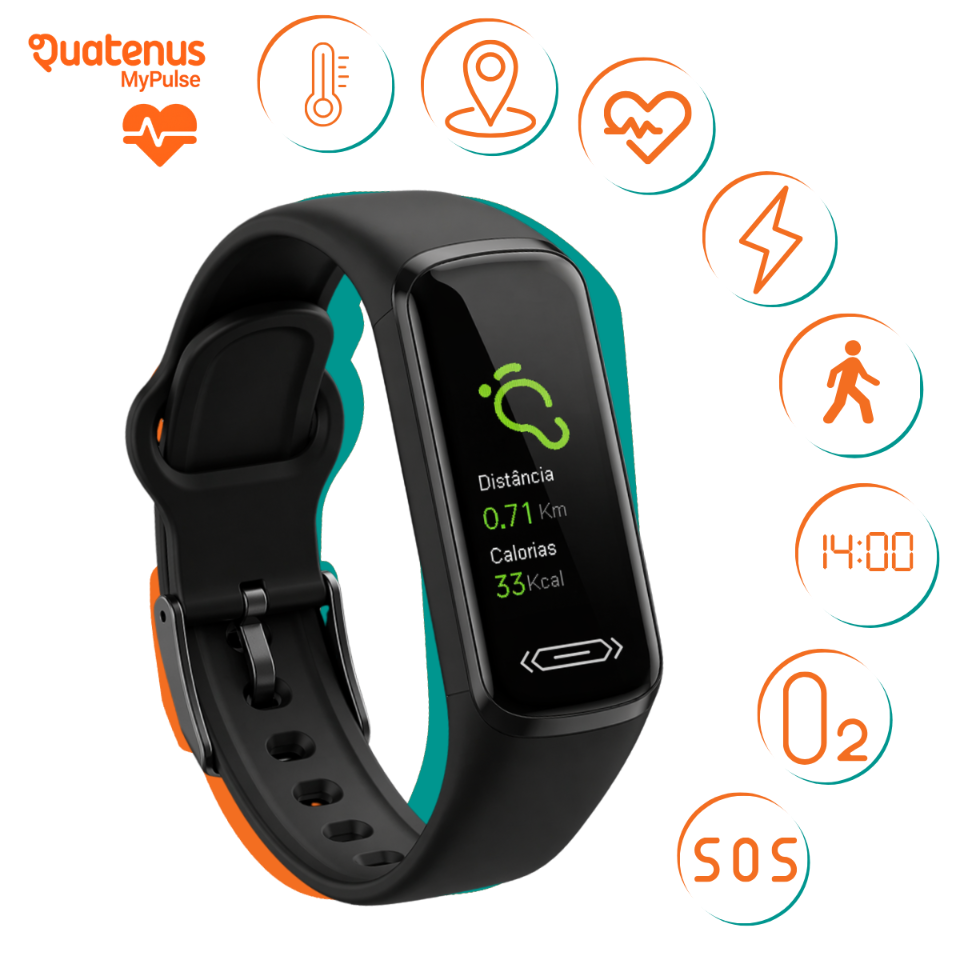
Not every monitoring approach requires complex equipment. In many settings, the real value lies in a simple, comfortable and easy to use device that can capture relevant signals without adding unnecessary noise. That is why Quatenus MyPulse wristband matters. It stays close to the person throughout the day, fits more naturally into routine and helps capture useful information without turning the user experience into a stream of distractions. When the goal is to support the wellbeing of teams and service users, practical simplicity can matter as much as the technology itself.
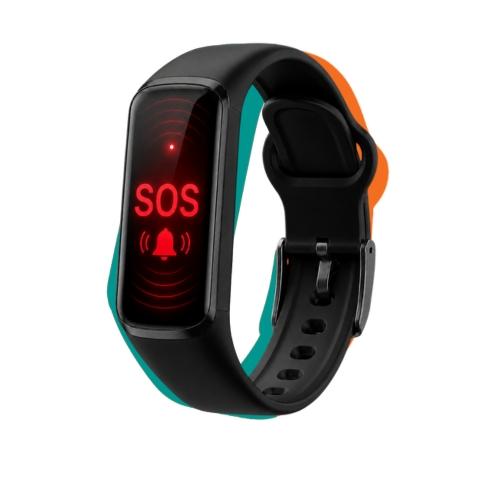
The usefulness of remote monitoring does not come from the amount of data, but from the quality of context that data adds. Indicators such as activity, temperature, location, heart rate, heart rate variability, blood oxygen level, stress and SOS alerts help build a fuller picture of the user. On their own, each signal says very little. Together, they help reveal changes, patterns and situations that deserve added attention. For those managing field teams or supporting service users, this view can support faster and better informed decisions.
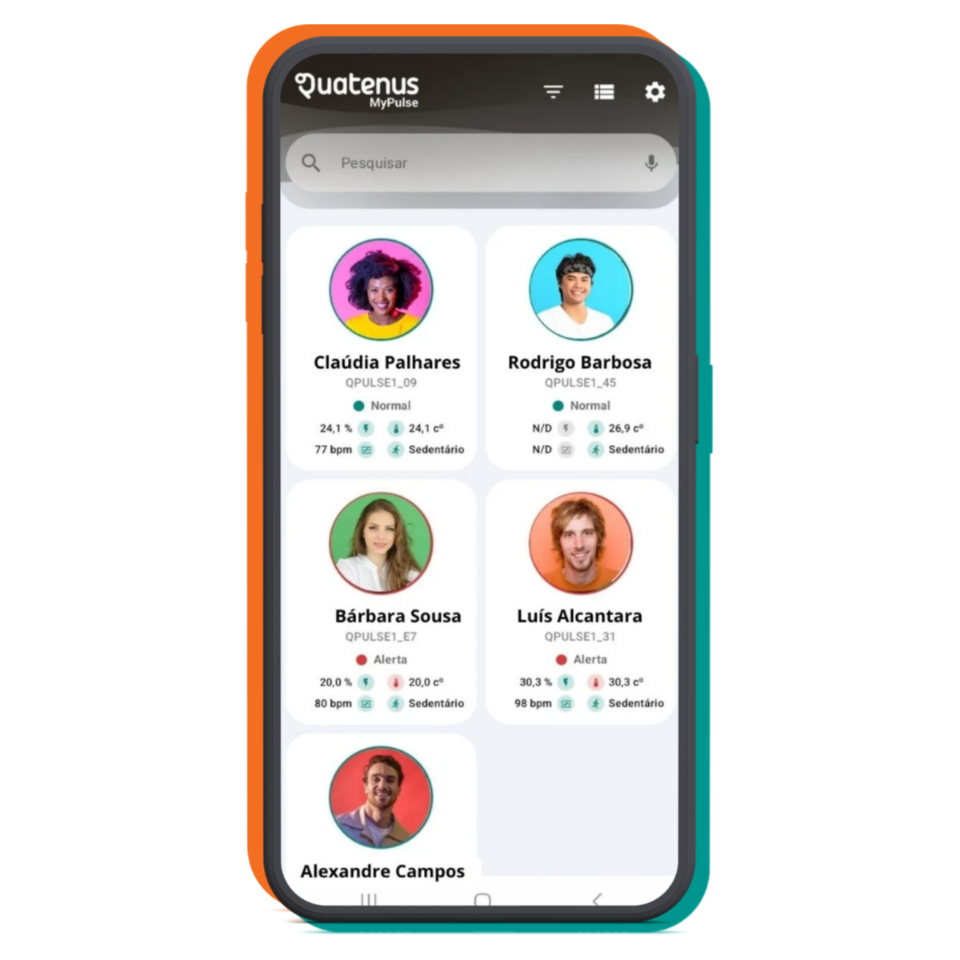
The wristband is the main element of the monitoring experience, but its value grows when information can be reviewed clearly by those responsible for acting. This is where the app sits in the background, as the point that receives and centralises the collected data. Rather than becoming the main part of the experience, the app helps managers, technical teams or support structures follow each user, identify alerts and review information individually or across a group. This improves follow up, prevention and response.
Remote wellbeing monitoring makes sense in very different realities. For field teams, it can add context around activity, location or situations that require immediate help. In care homes, day centres, hospitals, clinics or support structures, it can strengthen non clinical follow up for service users and give clearer visibility over relevant signs. In private security or more demanding operations, it can support a more continuous understanding of people’s overall condition. The common gain is always the same: greater ability to follow, prevent and respond with clarity.
This type of solution should be understood as remote telemetry and wellbeing support in business and institutional contexts. Its role is to add visibility, context and response capacity, not to replace diagnosis, clinical follow up or professional medical advice. This distinction matters because it places the wristband in the right frame and supports responsible use.
Want to know more about Quatenus MyPulse?
Click here and explore all the solution’s features.
Ask for DemoFAQ
Indicators such as activity, temperature, location, heart rate, heart rate variability, stress, blood oxygen level and SOS alerts can be monitored, depending on configuration and context of use.
No. Although it has strong business use cases, it can also support institutions such as care homes, day centres, hospitals, clinics or other structures that provide ongoing follow up.
No. MyPulse is not a medical device and does not replace diagnosis, clinical follow up or professional medical advice.
The wristband collects the data and the Quatenus MyPulse app presents that information centrally, helping responsible teams review users, alerts and relevant signs.
Because it helps turn dispersed signals into useful context for follow up, prevention and response, especially in situations where direct observation is not always enough.
Related