A fuel purchase is paid for in the morning. The receipt stays in the vehicle and only reaches the office at the end of the week. Meanwhile, management continues to monitor spending with incomplete information. When the document finally arrives, someone may still need to establish which vehicle it relates to or why the expense was incurred.
This example highlights two separate problems in fleet expense management: information arriving late and a lack of context to understand it. Knowing the total spent is necessary, but it does not, on its own, explain where, when or under what circumstances the cost arose.
Hours or days may pass between payment and recording an expense. During that time, the money has already been spent, but the cost is not yet available for review. When this delay occurs across several employees, the picture of spending is built with missing pieces.
A review halfway through the month might, for example, exclude expenses already incurred because the receipts have not been submitted. The recorded total appears lower than actual spending and may lead to an inaccurate assessment of how costs are developing.
Late submission does not always end with recording the expense. An invoice without enough identifying information may require someone to contact the employee, confirm the vehicle used and recover the reason for the purchase. The longer the delay, the harder those details may be to reconstruct.
Administrative work builds up: finding documents, exchanging messages, correcting records and reviewing information that should already have been organised. Employees in the field also have to interrupt their work to explain expenses incurred days earlier.
Two expenses for the same amount can have entirely different meanings. One may relate to an expected requirement; another may reflect a one-off situation that needs attention. Without context, both appear as another line in the expense total.
To understand a fleet-related expense, the recording process should make it possible to answer specific questions:
These questions help define the information management needs. Identifying the vehicle is particularly relevant when the aim is to monitor costs per vehicle rather than review an overall total.
The document provides purchase details, but it may not explain how the expense relates to the operation. A fuel invoice, for example, may not be enough to identify the vehicle that was refuelled. That connection needs to be clear within the company's process.
Similarly, a message saying that fuel was purchased does not replace an organised receipt record. When the explanation remains in a conversation and the document is stored elsewhere, someone will have to bring them together later.
Recording an expense closer to the time of payment reduces the period during which information depends on the payer's memory. The employee still knows what happened and can explain the circumstances more easily.
This requires a straightforward process: defining what information should accompany each expense, who records it and by when. Simply asking employees to submit receipts at the end of the month leaves too much identification work until later.
Mobile recording can support this process by allowing expenses to be handled without waiting for a return to the office. Its value lies in the continuity between payment, recording and management review.
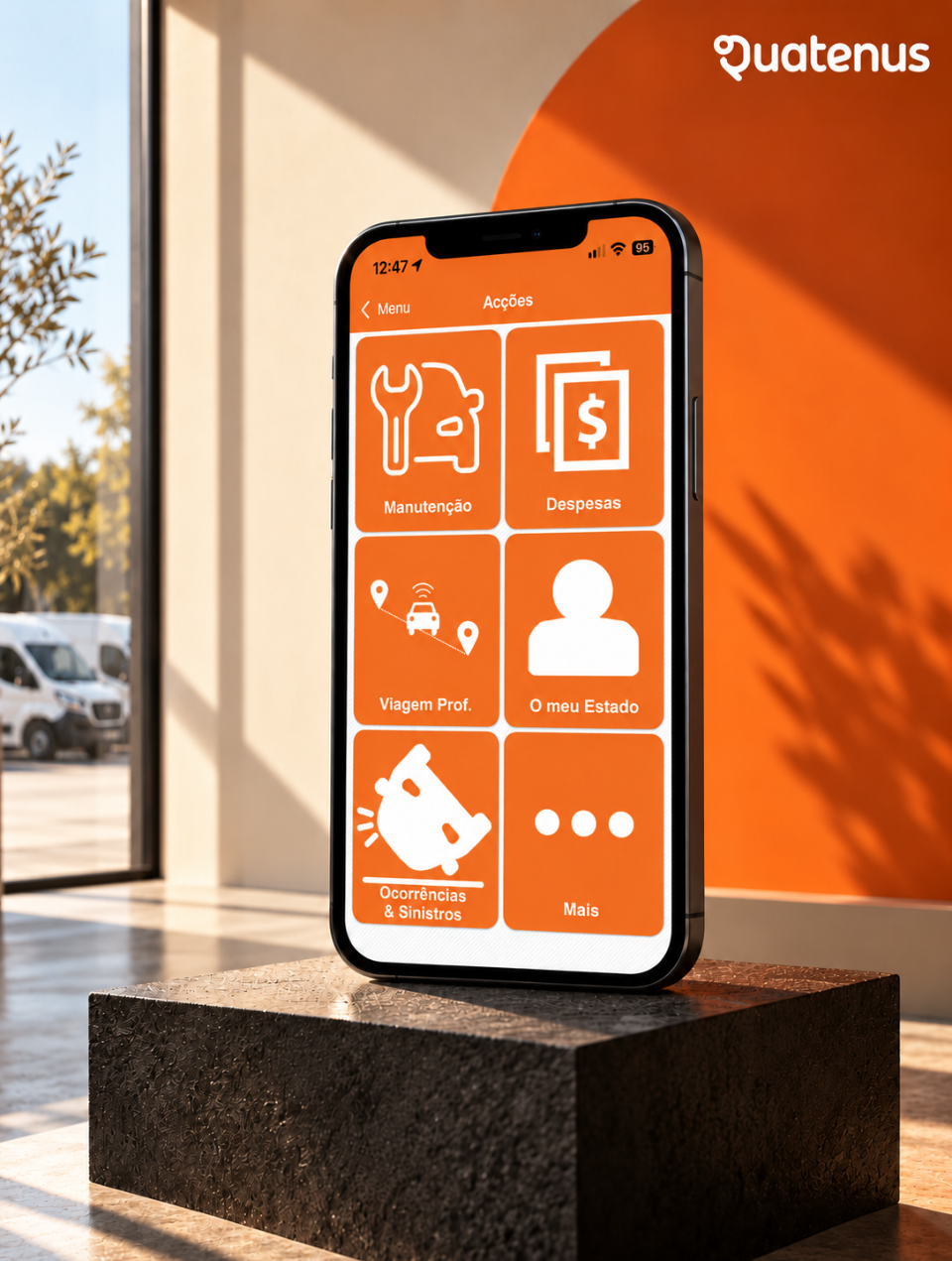
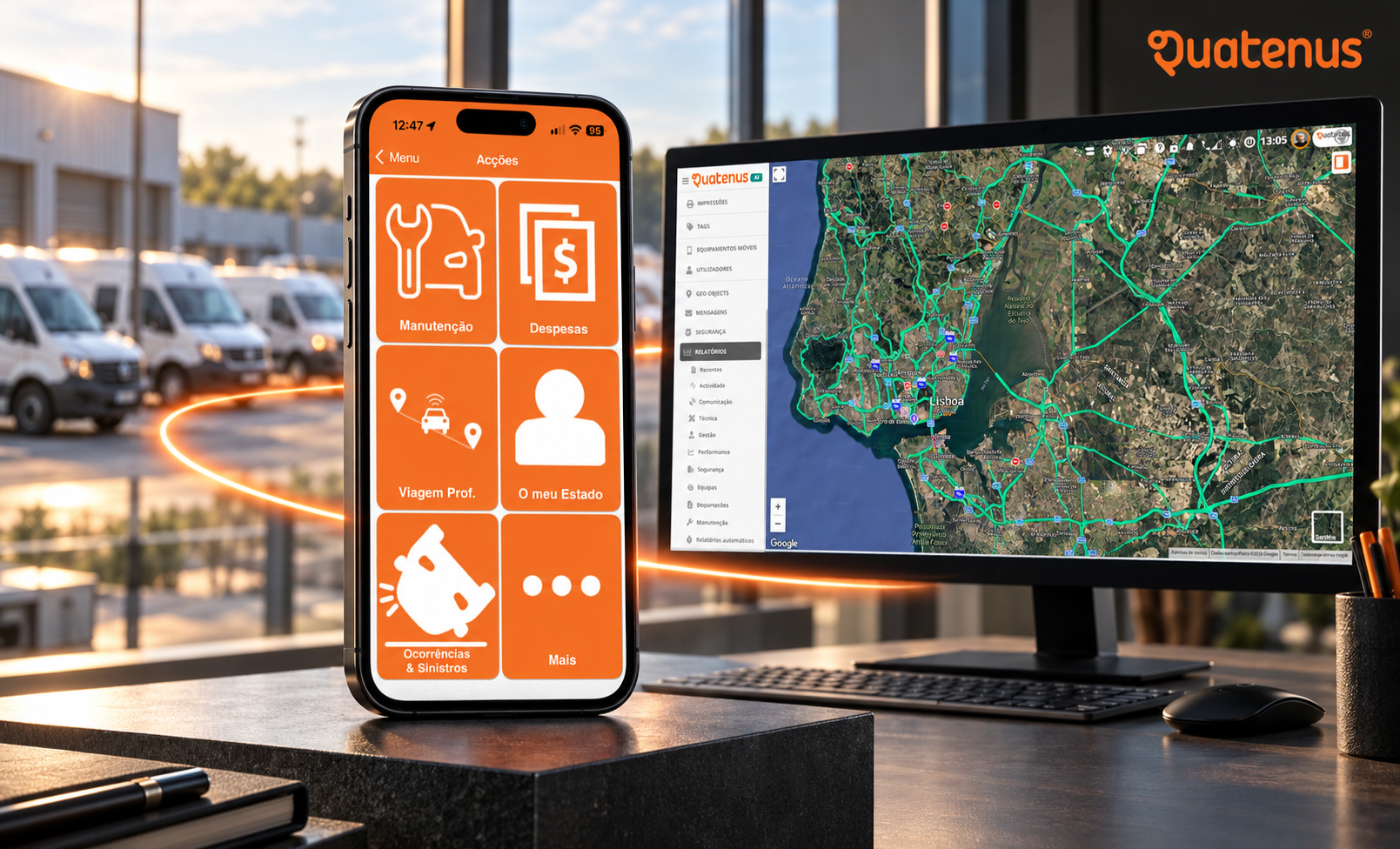
Quatenus provides fleet management solutions for monitoring vehicles, usage and operational information. The Quatenus MyFleet mobile application includes expense management capabilities, bringing recording and review closer to people working away from the office.
MyFleet can automatically populate the main expense fields by scanning the QR code on tax receipts. This reduces transcription work and makes it easier to record expenses using information contained in the document.
The populated information should still be checked. A quick record is only useful to management when the data is correct and the expense can be understood.
Quatenus expense management includes charts and access to individual expense details from dashboards. A review does not need to stop at the displayed total: the underlying record can be consulted to understand the expense more clearly.
The application also supports expense approval. When a record needs to be shared for review, expenses can be shared in PDF format and through a link, making the information easier for authorised participants to consult.
Fleet expense control depends on timely, good-quality records. If some expenses arrive late or without context, the available total provides an incomplete picture and leaves the administrative team with unanswered questions.
Recording expenses closer to payment, organising receipts and keeping each expense's connection to the operation clear creates better conditions for monitoring costs. Management gains information to understand what it is paying for and can ask questions while the answers are still easy to obtain.
Bring expense recording closer to the moment of payment and give management more information to monitor spending.
Request a Quatenus demonstration and explore MyFleet's expense management capabilities.
Ask for DemoFAQ
They leave expenses already incurred out of the information available for review. When receipts arrive, the vehicle, purpose or other details may still need to be clarified, creating additional administrative work.
For management purposes, the date, amount, type of expense, relevant vehicle or activity and supporting receipt should be identifiable. It should also be clear who can answer questions about the expense.
Not always. The document provides purchase details, but it may not identify the vehicle or explain how the expense relates to the company's activity. That context should be clear within the recording process.
Yes. Quatenus MyFleet includes expense management and can automatically populate the main fields by scanning the QR code on tax receipts. The populated information should be checked.
Quatenus provides expense charts and access to individual records from dashboards. Expenses can also be approved in MyFleet and shared in PDF format or through a link for authorised review.