Anyone searching for a fleet management platform is rarely looking for yet another dashboard filled with scattered data. They are looking for a solution that makes operations easier to read, removes unnecessary steps and helps them make decisions quickly. When crucial information is not visible at the right moment, analysis loses flow and team productivity comes under pressure.
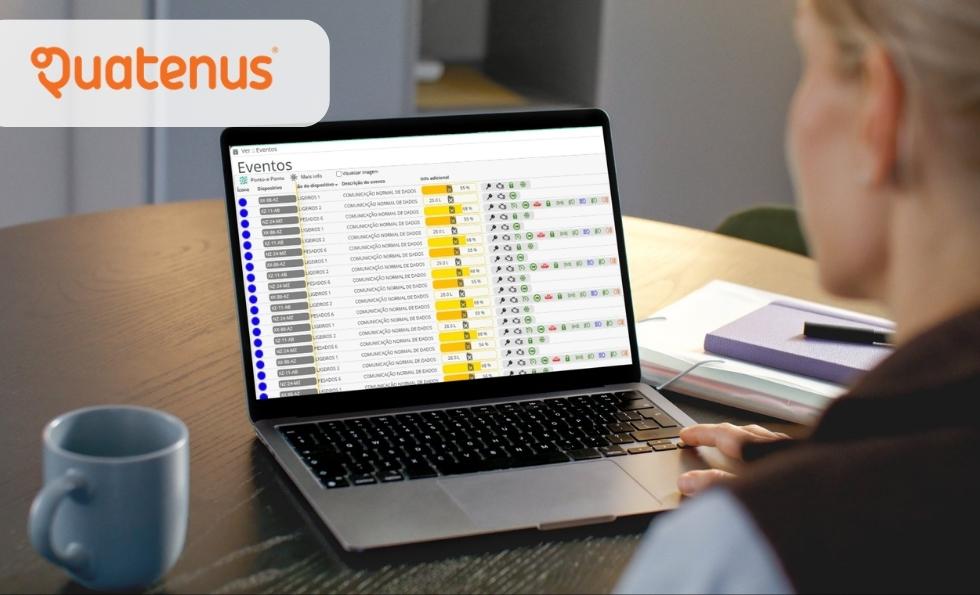
That is why ease of consultation carries real weight when choosing a platform. More than gathering information, a fleet management solution should present it with context, clarity and practical value. At Quatenus, that principle results in a more complete Events view, with telemetry data visible from the first level through the Additional information column.
In fleet management, speed and context go hand in hand. A manager does not want to waste time moving through several levels just to understand what happened, what a vehicle status means or how an event should be interpreted. The greater the distance between the question and the answer, the lower the ease of analysis tends to be.
A platform that supports daily operations should bring relevant information closer to the decision. That means showing the right data on the right screen, reducing repetitive consultation and making it easier to read what has an impact on the operation.
To meet what the market is looking for, a fleet management platform should make specific tasks easier. It should allow users to follow events with context, read telemetry without unnecessary detours, organise views according to team priorities and support quick decisions with visible information.
When these conditions are in place, the platform stops being a simple data repository and starts working as a real management tool. That is exactly the logic behind the Quatenus improvement to the Events view, making telemetry consultation more immediate.
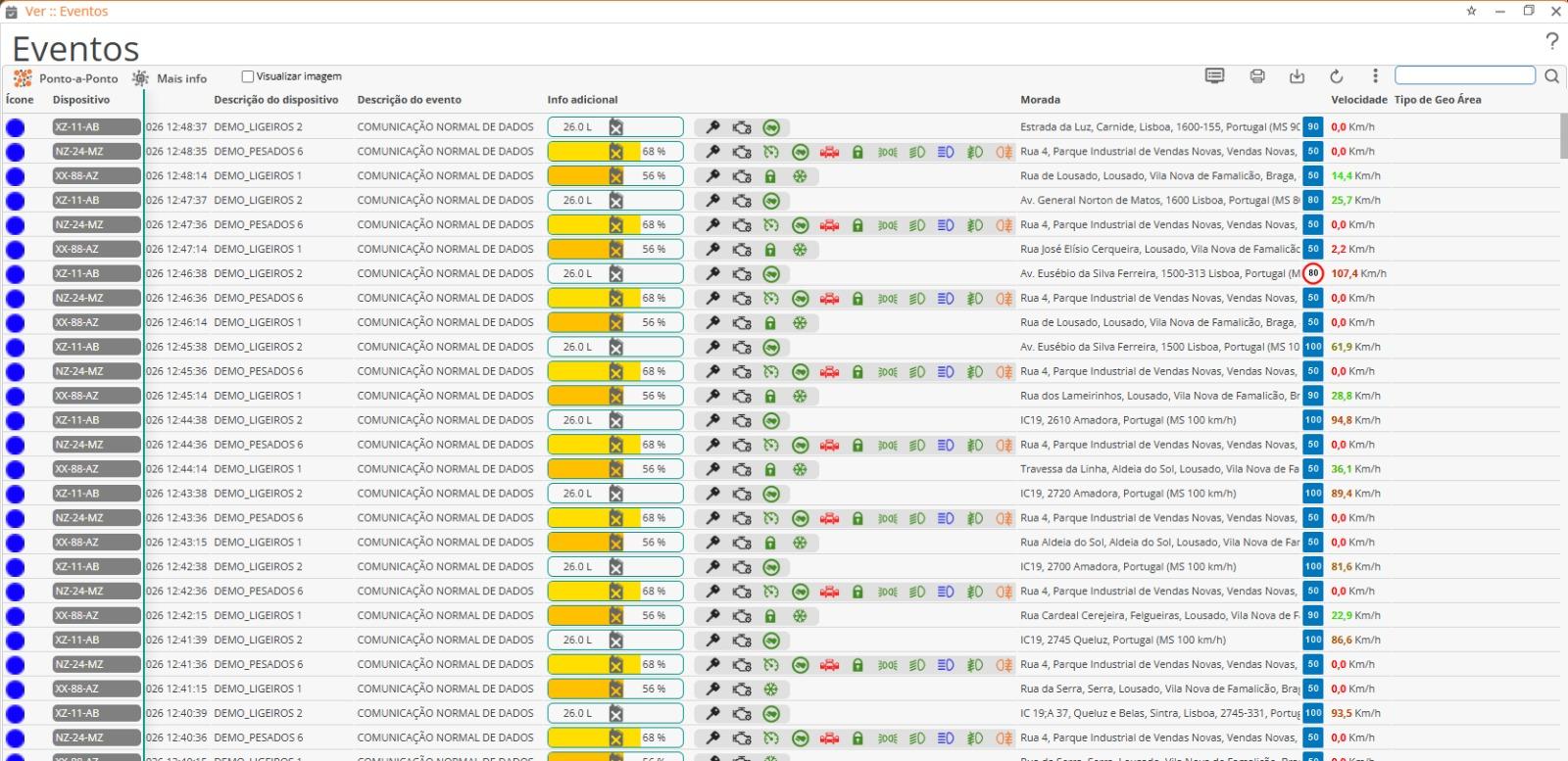
A more direct reading of telemetry data provides an experience that is more aligned with what managers are really looking for when evaluating fleet management solutions.
Clear information helps interpret events faster and with less effort, while analysis takes place in the same area where the manager is already working. This strengthens the continuity of operational reading.
In practice, having crucial data visible at the first level of the platform helps validate events, understand fleet behaviours and respond more quickly to operational situations. Instead of interrupting the analysis to look for information elsewhere in the platform, the manager keeps the focus on what matters.
For teams that monitor operations continuously, this more complete view can contribute to a clearer, more consistent and more productive work routine.
In addition to having telemetry visible right at the first level, the ability to organise and lock columns helps keep the most relevant data for each operation always present. When the view adapts to the manager’s priorities, daily reading becomes more useful.
If you are assessing fleet management solutions, look for a platform that brings information closer to the decision.
Explore the Quatenus Events view and discover how keeping telemetry in sight can make daily fleet management easier.
Contact usFAQ
It should make operations easier to read, show relevant information with context, reduce unnecessary steps and support faster decisions.
Because visibility reduces consultation time, avoids interruptions in analysis and helps the manager act at the right moment.
It helps interpret events more quickly, without forcing the user to move to another area of the platform to gain additional context.
Yes. Keeping the most relevant columns visible for the operation helps focus analysis on what has the greatest impact on fleet management.
It is worth checking whether the platform makes recurring tasks easier, brings information closer to the decision and offers a clear experience for those managing operations every day.